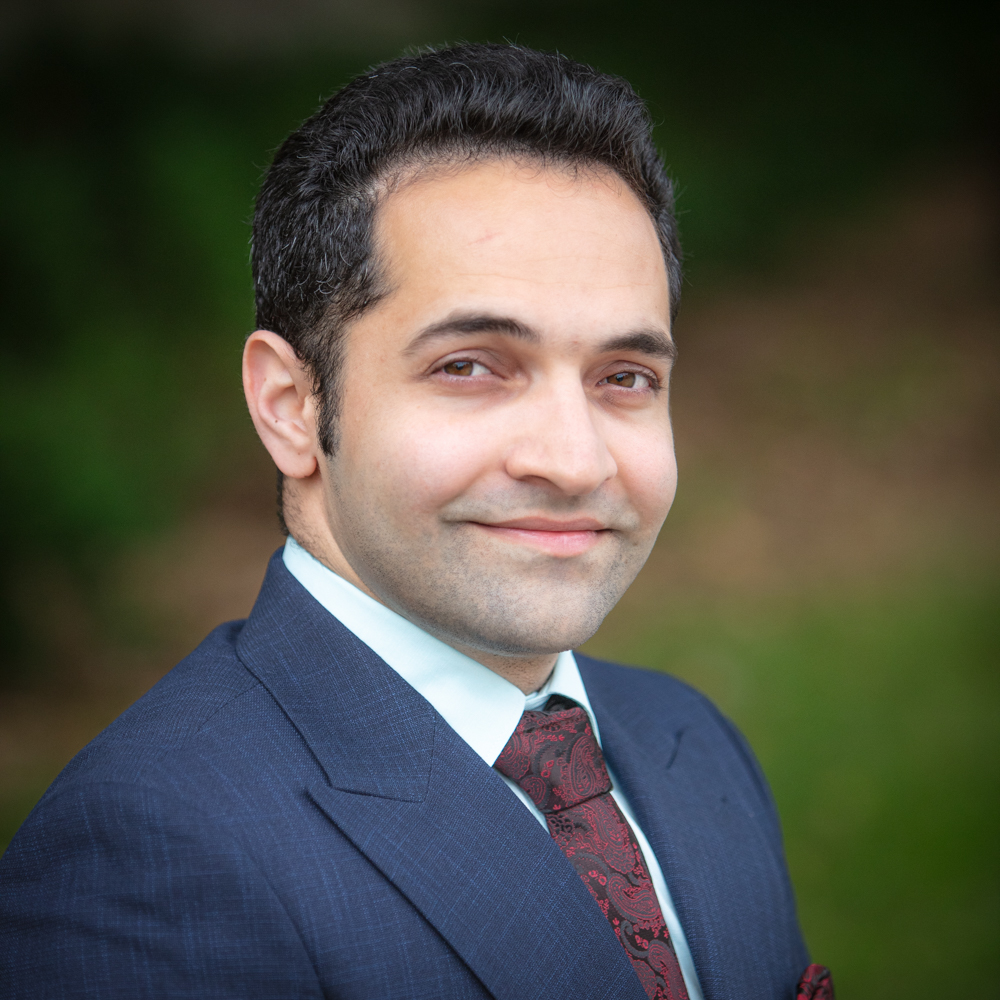
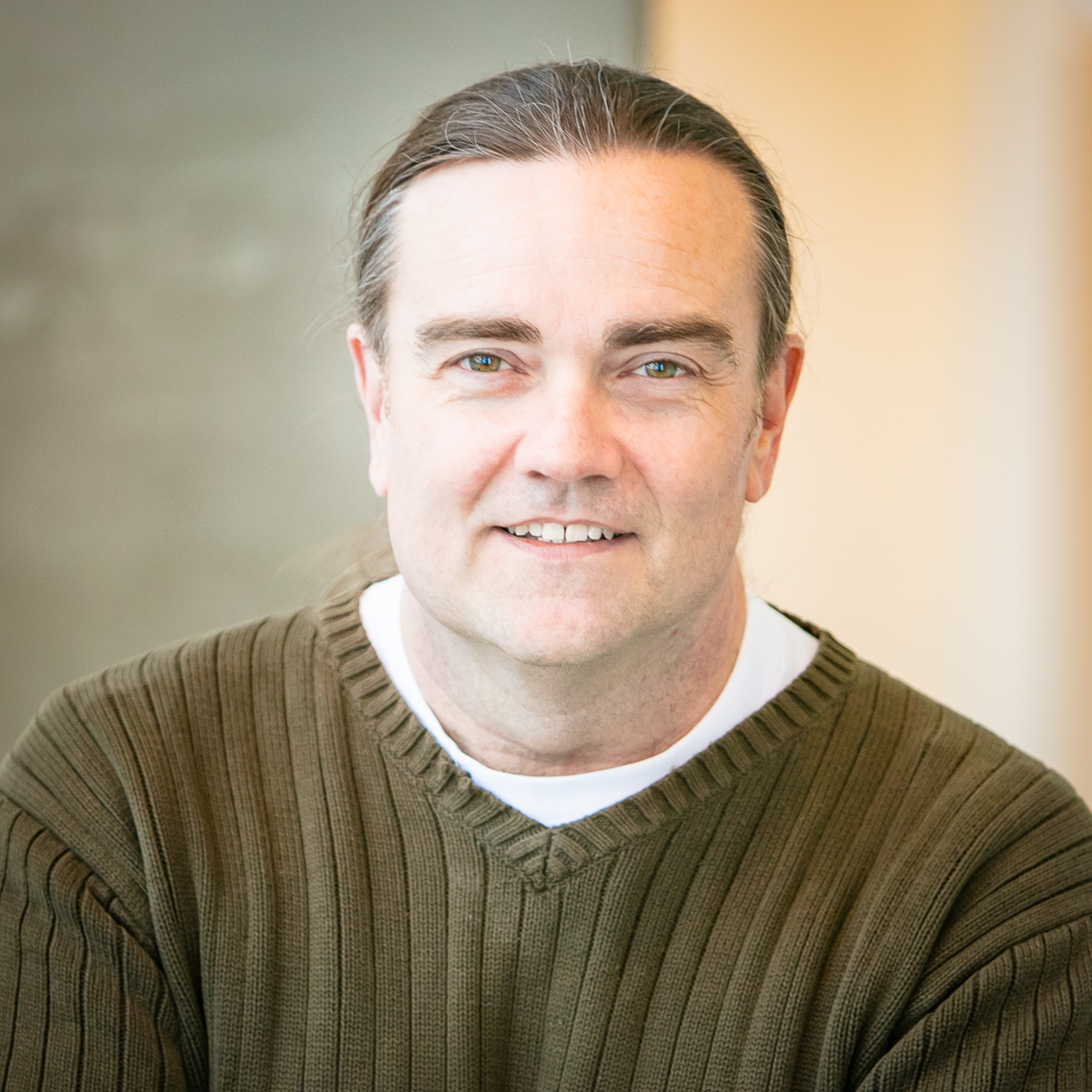
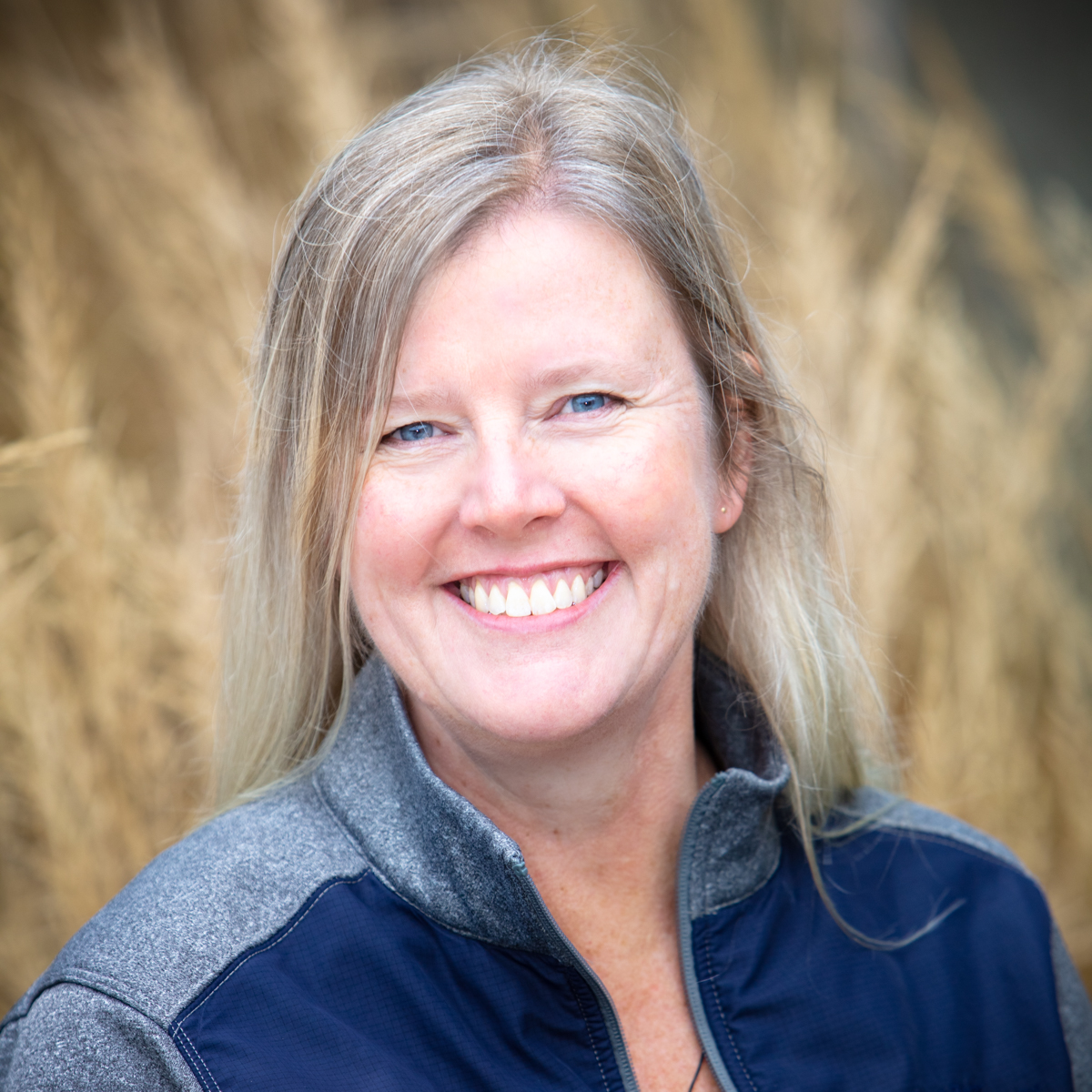
My research dealt with using biostimulants as environmentally friendly alternatives to fungicides, for preventing dollar spot disease, which is one of the most prevalent disease that affects turfgrass on golf courses worldwide. My research will hopefully help to identify species and cultivars of turfgrass that respond positively to various biostimulant applications and therefore have a lower disease incidence. This will potentially allow golf course managers to use fewer fungicides in the future by switching to biostimulant applications, which will reduce the environmental impact that they have on the surrounding ecosystems.
Be prepared. Look around first and then come here. Do your homework when you're looking at programs and remember that you stand a real chance of working with OMAFRA and OMAFRA connected researchers here. They really are the best.
Make sure your decisions are based on a meaningful purpose. The phrase “What you put in is what you get out” is what I return to repeatedly. It applies to you as a person, the work you do, and the food you make. You need purpose to make anything of consequence happen. It’s been over a decade since I made my first decisions to enter the field of food safety, and I’m even more committed to it today than I was then.
Do not be afraid to engage with your professors and fellow students. Professors want to help you succeed so do not be afraid to reach out to them. The people who best know what you are going through are you fellow students. Ask how they are doing, ask if they have any tips for the upcoming assignment. Doing this will help make you a part of the LANG community.
This is a program that is very responsive to student needs, so if you have a question or want to pursue a line of discussion, be sure to ask! There is a considerable commitment to participants' career and personal growth, as well as to the more formal education elements. I appreciated that "all-around" approach.
TAKE initiative. REACH out. LEAD boldly. This program affords you opportunities and connections that you will not receive anywhere else and if you take advantage of these you will become “that” person. “That” person who helped you, “that” person who was proud of you, and “that” person who you wanted to be.