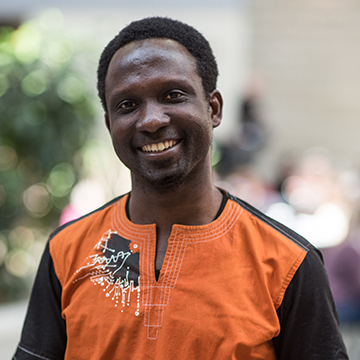
I lived in Ridgetown as this is where my research was conducted. Although Ridgetown does not have much infrastructure in comparison to the City of Guelph, it has large acres of land for research in agriculture. I sometimes enjoyed a tour on the vast land with various research work going on. Personally, I think Ridgetown may be the town with the kindest people I have met, and I know the same is true for the City of Guelph.
The advice or words of wisdom is simple, do whatever you think you want to do. I mean I had to really figure out if this is what I wanted to do and why. When that was settled, I did my research on programs and such but for me I talked with other academics from different disciplines. I needed to hear what it would be like emotionally and mentally and then think about how I would handle those ups and downs. Once, I had the basics of what I needed, and I knew what I could control, I put my best effort forth and then I felt content with results. This has been my mindset, to understand the coursework, to learn and adapt, and do my best. And once you’re in a program, they want you there, otherwise they wouldn’t have accepted you.
Identify your passion and reason(s) for wanting to become a graduate student. Write them down, type it up, post it large and visibly on your desk or wherever you do your work so that it remains a constant reminder of why you are doing what you are doing and will motivate you through the hard times that every graduate student has and does go through, so that you can always see the light at the end of the tunnel.
In graduate studies, you will work harder than you have ever worked, but it is going to be so rewarding. There are experts in every field at the University of Guelph, who will support you and offer so many resources that are available to help you succeed. You are also going to meet some incredible people along the way, especially since there is such strong comradery among fellow graduate students. I know this is a cliché, but I think you get out of your time here what you put into it, and there are so many opportunities available to take advantage of, to ensure you have a great experience.
I would tell any prospective grad students to visit the campuses they are applying to, and talk to students in their program(s) of interest! A major factor in my staying at Guelph was the campus community, and knowing that I would be supported throughout my studies in not only my academics, but also through the social atmosphere on campus.
Guelph offers great graduate programs for students that may or may not have research experience. What I have found is that faculty members are very willing to meet with students, and are available to talk about their research and to provide insight about what graduate school encompasses. In addition, getting to meet with current graduate students to talk about what their research is about is definitely an option here at the University of Guelph. I have found that many students are afraid to contact faculty members, but I found it to be very easy and helpful to reach out to the Faculty at Guelph. The University of Guelph definitely has the support system to help students get of glimpse of what graduate school has to offer.
Do your research: on the lab, on the faculty, on the department and on the city itself. There are so many different programs/departments and it's imperative you know what you're getting into. Speak to students that are currently in the lab or have recently graduated to get an idea of how things work. There are going to be some tough times in your program and you want to make sure you're surrounded by people that want to support you and help you get through, to be successful.
“As a U of G student I have taken part in many intramural sports including soccer, softball, football, hockey and volleyball. I have had great experiences, both as an intramural player and captain. The availability of such a wide variety of athletic opportunities for students is a great addition to the university.”
There are so many ways to pursue your passions and interests. I'd recommend that prospective grad students be certain that they are ready for the rigour and commitment required by graduate studies. Be open to new ideas, critiques, and other ways of seeing the world. Learn from your peers, students, university staff, and the wider community, in addition to your professors. Be generous with others and build community. Don't forget where you come from.