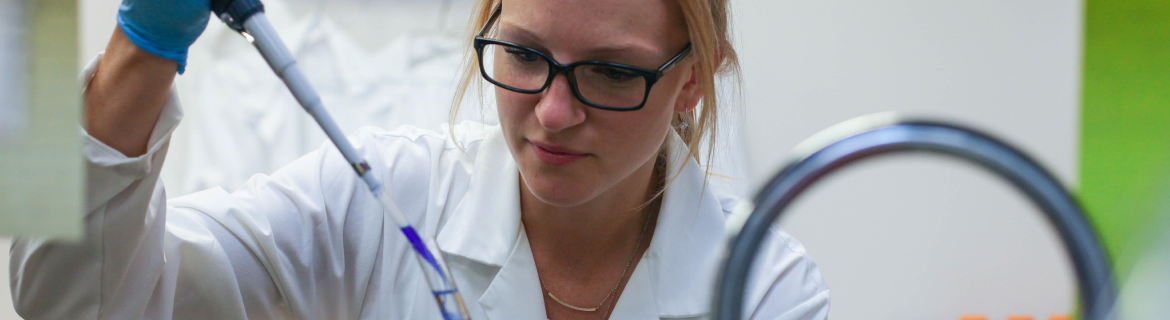
Research in my laboratory aims to identify and characterize new molecular factors and cellular mechanisms implicated in neuronal development and plasticity, which in turn will help reveal important new details about the pathophysiology of different brain disorders and identify potential targets for improved pharmacological treatments.
Our research is mainly focused on studying ultrafine biopolymeric and synthetic fibres produced by electrostatic spinning techniques. These versatile materials are being exploited in our laboratory for the encapsulation and triggered release of bioactive compounds.
My research interests include parent-child relationships, child development, early childhood education and care, child and family well-being, family relations, various aspects of work-life integration (as well as school-life or school-work-life integration), and the experiences of non-traditional students in formal post-secondary education, in particular mature students and student parents.